
Beyond the Basics: 4 Overlooked Maintenance Tasks Your RV Needs This Fall

You’re on top of it. You’ve checked your tire pressure, you’re keeping an eye on the roof, and you plan to test the furnace before that first truly chilly night. That’s fantastic! But as RV Surgeons, we see the issues that pop up beyond the basics. These are the small, overlooked tasks that can silently turn into trip-ending, budget-busting problems down the road.
Fall is the perfect time to tackle these "pro-level" maintenance items, especially before the holiday travel season and the SoCal winter rains. Here are four overlooked tasks you should add to your list to keep your rig healthy and happy.
1. Check Your Water Heater's Anode Rod
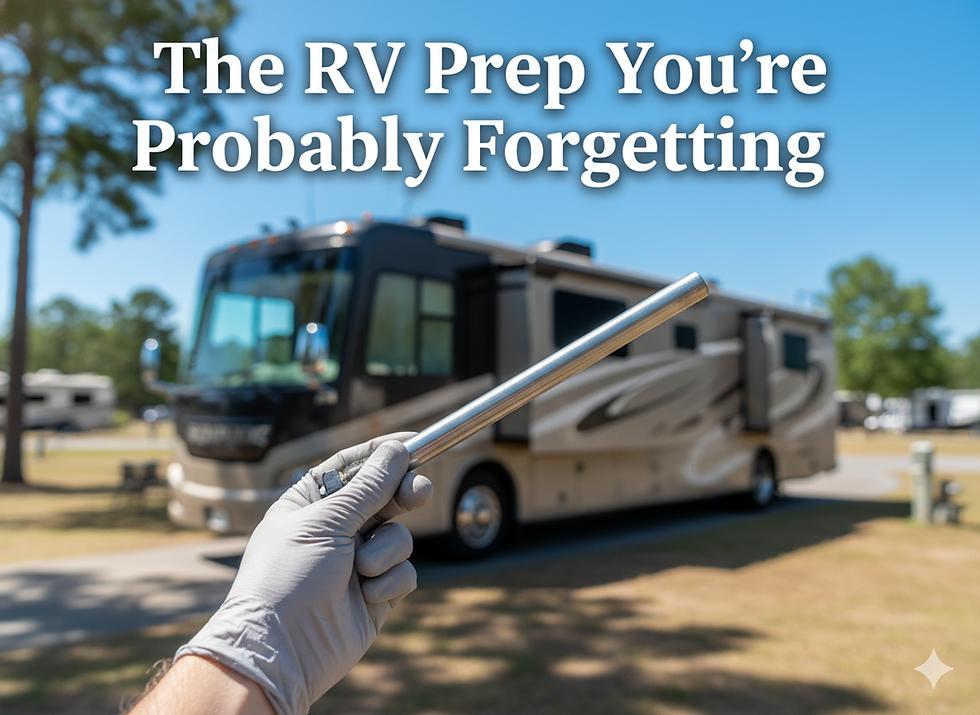
If your RV has a Suburban-brand water heater, it has a secret hero inside: the anode rod. This is a "sacrificial" metal rod that is designed to be "eaten" by corrosive elements in your water instead of your water heater's expensive steel tank.
Why It's Overlooked: It's completely hidden inside the tank. If you don't know it's there, you'd never think to check it.
Why It Matters: Replacing an anode rod costs very little. Replacing a water heater tank that has rusted through from the inside? That's a massive, costly repair. A corroded-away rod means the tank itself is next in line to be destroyed.
The Fall Fix: As part of a water heater flush (which you should be doing annually to remove sediment), the anode rod should be removed and inspected. If it's more than 75% corroded, it’s time for a new one. This single, simple check can add years to the life of your water heater, ensuring you have hot showers for all those cool-weather camping trips.
2. Exercise Your Generator (Under Load!)
This one is especially for those of us who are "weekend warriors" or usually stay at parks with full hookups. Your generator is an expensive, complex engine, and the worst thing you can do for it is let it sit unused.
Why It's Overlooked: If you don't need it, you forget about it. It’s easy to let months go by without starting it.
Why It Matters: When a generator sits, the fuel in the carburetor can gum up and "varnish," clogging tiny jets and preventing it from starting when you finally do need it. On top of that, moisture can build up and cause rust on internal parts.
The Fall Fix: Once a month, every month, you need to "exercise" your generator. This means starting it and letting it run for 30 to 60 minutes with at least a 50% load. Don't just let it idle! Turn on your air conditioner, pop something in the microwave, or run a few electric heaters. This load heats the generator up, burns off moisture, and keeps the fuel flowing, ensuring it's ready for that holiday boondocking trip or an unexpected power need.
3. Condition Your Slide-Out Seals (Not Just Clean Them)
We talk about slide-out seals a lot, and for good reason—especially with the SoCal rainy season on its way. Most people know to clean them, but they forget the most important step.
Why It's Overlooked: Cleaning seems good enough. Wiping off the dirt and debris is a great first step, but it doesn't protect the rubber itself.
Why It Matters: Your seals live a hard life. They are constantly exposed to UV rays, which causes the rubber to dry out, become brittle, and crack. A cracked seal is a guaranteed water leak.
The Fall Fix: After you wipe the seals clean, you must treat them with a proper rubber seal conditioner (like 303 Aerospace Protectant). Do not use a silicone-based product, as it can attract dust and may degrade the seals over time. A good conditioner blocks UV rays and keeps the rubber supple, allowing it to create a tight, perfect seal against the RV body. This is your number one defense against winter water damage.
4. Inspect Your Propane Regulator
Here's one that's almost never on a DIY list. Your propane regulator is the heart of your propane system. It's the UFO-shaped device connected to your tanks that reduces the high tank pressure to a low, usable pressure for your appliances.
Why It's Overlooked: It has no moving parts and just sits there. It's easy to assume it lasts forever.
Why It Matters: Regulators have a typical lifespan of 10-15 years, after which their internal diaphragms can stiffen and fail. They also have a vent hole that bugs love to build nests in. A failing regulator can cause all sorts of "ghost" problems, from a furnace that won't stay lit to sooty flames on your stove or a fridge that won't cool on gas.
The Fall Fix: While a full pressure test is best left to a pro, you can do a quick visual check. Ensure the vent is clear of debris or insect nests. And if your rig is over 10 years old and you're experiencing strange appliance issues, the regulator is a prime suspect.
Don't Let the "Little Things" Get You Down
Being a great RV owner is about proactive care. By paying attention to these few overlooked items, you're not just preventing repairs—you're buying peace of mind for your upcoming holiday adventures.
If this list feels a bit overwhelming, don't worry! That's what we're here for. When you call us out for that furnace check or water heater flush, just ask about these other items. We're happy to give your rig a complete check-up.
Happy and healthy travels from your friends at RV Surgeons!


Comments